
Your Subject Line Is a First Impression You Can't Undo
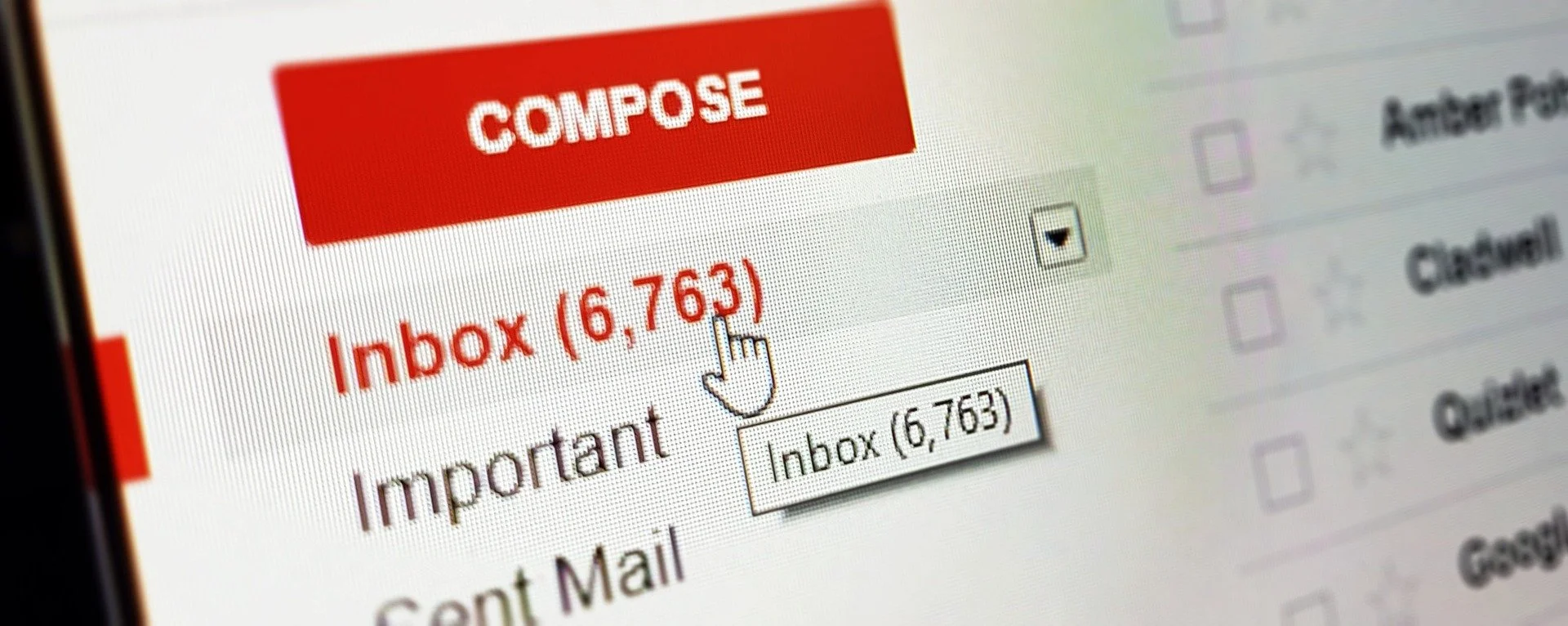
Most emails do not fail because of bad writing. They fail because no one opens them.
The subject line is the first thing a recipient sees. In many cases, it is the only thing they see. It takes about two seconds for someone scanning an inbox to decide whether your message is worth their time. If the subject line does not give them a reason to keep reading, the rest of your carefully written email is irrelevant.
That is a problem worth paying attention to.
What a weak subject line actually costs you
Think about the last time you sent an email and heard nothing back. It is easy to assume the person was busy, or forgot, or decided not to respond. Sometimes that is true.
But sometimes the email never got a fair read because the subject line did not earn one.
Weak subject lines do not announce themselves as weak. They just sit there in an inbox looking unremarkable. The reader moves on, and your message gets buried under whatever came in next.
This happens in sales emails, follow-ups, proposals, job applications, and internal communications. The stakes are different each time. The problem is the same.
What makes a subject line weak
Weak subject lines tend to fall into a few familiar patterns.
Vague lines like "Checking in" or "Following up" give the reader no information. They signal that the email exists but offer no reason to open it. They also appear so frequently that they have become invisible.
Overlong lines get cut off in most inboxes. Mobile email clients typically display between 30 and 40 characters before truncating. A subject line that requires the full sentence to make sense will lose most readers at the preview.
Misleading lines that oversell the content destroy trust fast. If the subject promises something urgent and the email is not urgent, people remember. They start treating your messages like noise.
Generic lines written for everyone are read by no one. "Important update" and "A message from our team" belong in this category. They feel like form letters because they are.
What makes a subject line strong
Strong subject lines do one thing well: they give the reader a clear, specific reason to open the email.
They are direct without being clinical. They signal relevance without overpromising. They are short enough to read in a glance and specific enough to mean something.
The difference between a weak and a strong subject line is often just specificity. Compare:
Following up versus Following up on Tuesday's proposal — quick question
Important information versus Your renewal date is June 30
Checking in versus Checking in — did the contract language work for you?
None of these strong examples are clever or particularly creative. They work because they tell the reader exactly what the email is about and why it is relevant to them.
A simple formula that works
If you want a starting point, this structure produces a reliable subject line in most professional contexts:
[What it is] + [Why it matters to the reader] + [Any urgency, if real]
A few examples of that formula in use:
Q3 recap — numbers you'll want before Friday's meeting
Your invoice is ready — due by the 15th
Two questions about the project scope before we finalize
Application for senior editor — referred by Maria Santos
The formula is not a script. It is a thinking tool. It forces you to answer the question every reader is silently asking when they see your name in their inbox: why does this matter to me right now?
If you cannot answer that question in the subject line, that is worth knowing before you hit send.
One more thing worth checking
Before you send, read the subject line on its own, without the context of everything you know about the email.
Does it make sense to someone seeing it cold? Does it give a reason to open? Does it match what is actually inside?
If the answer to any of those is no, rewrite it. The email you spent twenty minutes composing deserves a subject line that gives it a fighting chance.