
Why Bad Writing Costs More Than You Think (and No One Puts It in the Budget)
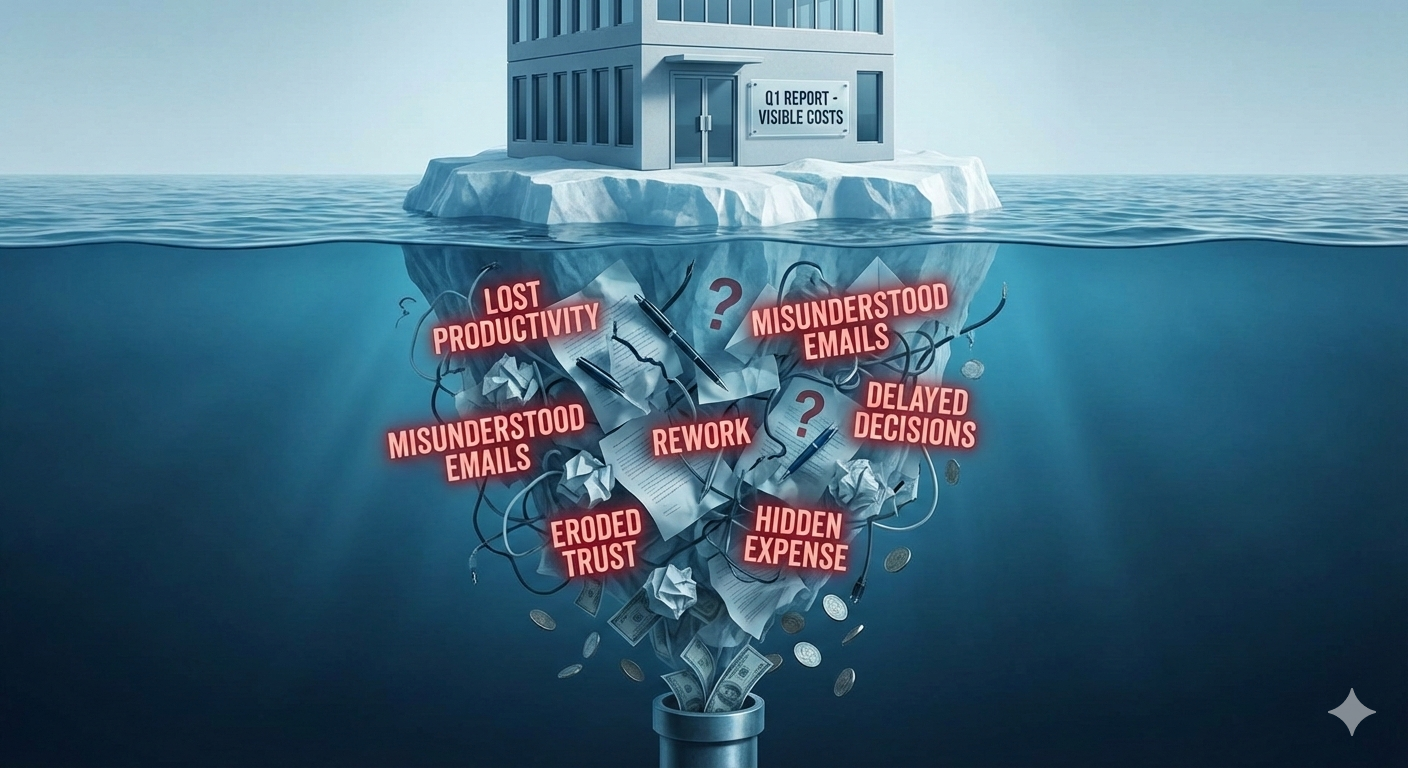
Bad Writing Is a Hidden Business Expense
Bad writing is rarely treated as a measurable business cost. It does not appear on profit and loss statements, it is not flagged in quarterly reviews, and it is almost never discussed during budget planning. Yet unclear, inconsistent, or poorly structured writing quietly drains organizations of time, money, and credibility every day.
Many companies view writing as a soft skill or an aesthetic concern. Something that can be cleaned up later or delegated without much thought. In reality, writing functions as operational infrastructure. It influences how teams work, how decisions are made, and how customers experience a brand. When that infrastructure is weak, inefficiency spreads fast.
How Poor Writing Wastes Time and Productivity
One of the most immediate costs of bad writing is lost productivity. Ambiguous emails create long chains of follow up questions. Unclear instructions result in rework. Poorly written briefs slow projects before they even begin. These inefficiencies are rarely tracked, but they accumulate quickly.
Employees spend hours interpreting vague messages instead of executing tasks. Meetings are scheduled to clarify things that should have been obvious in writing. Deadlines slip because expectations were never clearly defined. None of this looks dramatic on its own, which is exactly why it persists.
Over time, organizations normalize this friction. It becomes part of the culture instead of a problem to solve.
The Impact of Bad Writing on Decision Making
Clear writing supports faster, better decisions. Bad writing does the opposite. Leaders are busy readers who need information presented clearly and efficiently. When key points are buried under jargon, filler, or disorganized structure, decision making slows down.
Approvals take longer. Opportunities are missed. Problems linger because no one fully understands the issue. In competitive environments, hesitation is costly. Writing that obscures meaning instead of clarifying it creates unnecessary risk.
Why Writing Quality Affects Brand Trust
Writing is often the most frequent interaction people have with a brand. Website copy, emails, proposals, and documentation all shape perception. When writing feels sloppy or inconsistent, it signals a lack of care, even if the product or service is strong.
Readers may not consciously identify grammar issues or structural problems, but they notice confusion and inconsistency. Trust erodes quietly. Rebuilding that trust through marketing, customer support, or reputation management is far more expensive than preventing the issue with clear, professional writing.
Internal Communication Problems Caused by Bad Writing
Inside organizations, bad writing creates tension and misalignment. When expectations are not clearly documented, accountability suffers. Different teams interpret the same message in different ways. Frustration grows, and leaders often misdiagnose the issue as a performance or attitude problem.
In many cases, the real issue is communication. Clear writing reduces ambiguity. It sets expectations, documents decisions, and creates alignment across teams. When writing improves, collaboration becomes smoother and conflict decreases.
Where Bad Writing Costs Companies the Most
Bad writing shows up across nearly every function in an organization, quietly increasing costs and friction.
Internal emails and documentation that cause confusion instead of clarity
Marketing copy that fails to convert because the value proposition is unclear
Proposals and pitches that do not persuade decision makers
Training materials that slow onboarding and increase mistakes
Customer communications that generate more support tickets
Each of these areas represents lost time, lost revenue, or increased operational costs. Together, they form a significant but often invisible expense.
Why Bad Writing Is Rarely Budgeted For
One reason bad writing goes unaddressed is that the solution appears simple. Many organizations assume templates, spellcheck tools, or AI writing software will fix the problem. While these tools can help, they cannot replace clear thinking, strong editing, and a consistent approach to voice and structure.
Another reason is that the return on better writing is indirect. You do not always see an immediate spike in revenue. Instead, you see fewer errors, faster execution, clearer alignment, and stronger trust over time. These gains are real, even if they are harder to quantify.
Investing in Clear Writing Saves Money Long Term
Organizations that treat writing as a strategic asset see long term benefits. They invest in usable style guides, editing processes, and training that emphasizes clarity and purpose. They understand that good writing reduces friction, lowers risk, and supports growth.
Bad writing costs more than most leaders realize because it affects everything it touches. The reason no one puts it in the budget is because the costs arrive quietly and incrementally. Clear writing is not about perfection. It is about respect for the reader and efficiency for the business. When writing improves, everything downstream becomes easier and less expensive.